


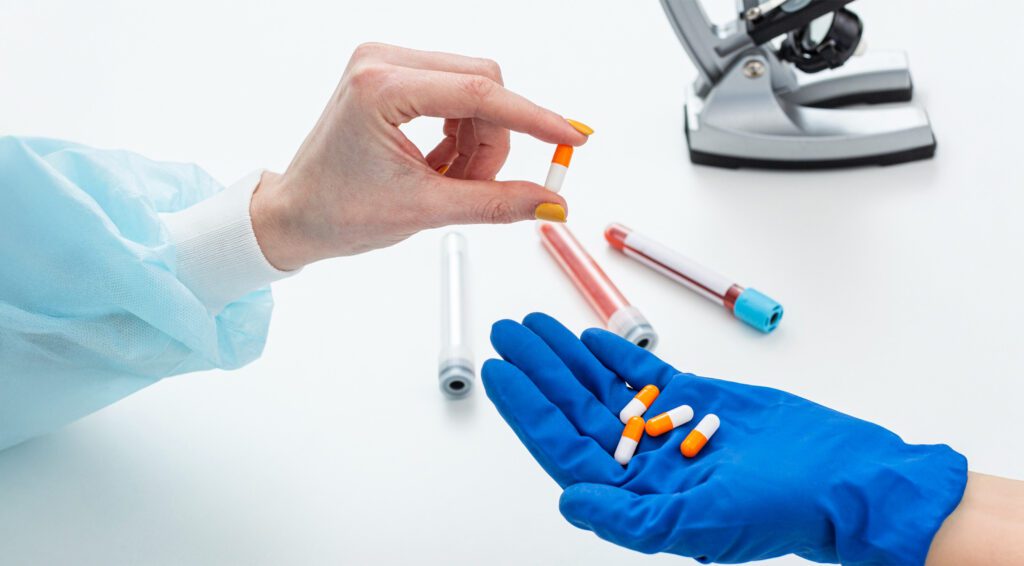
The clinical research industry has long understood that comparator drug sourcing is one of the most logistically complex elements of running a regulated clinical trial. In 2026, that complexity has deepened considerably. A confluence of rising trial volumes, post-pandemic supply disruptions, geopolitical trade tensions, and increasingly stringent regulatory requirements has made sourcing reference listed drugs (RLDs) and innovator comparators a genuine operational risk, one that can delay trial timelines, inflate budgets, and in some cases, force sponsors to redesign entire study protocols.
For clinical operations teams, procurement heads, and CROs working across the US, Europe, and Asia-Pacific, the ability to reliably source comparator drugs is no longer a background procurement task. It is a strategic priority.
The Scale of the Problem: Comparator Shortages Are Growing
According to the FDA’s Drug Shortages Database, the number of active drug shortage listings in the United States remained elevated through 2024 and 2025, with oncology agents, biologics, and specialty small molecules featuring prominently. In the European Union, the European Medicines Agency (EMA) reported that member states notified more than 2,000 medicine shortages annually by 2024, a figure expected to persist through 2026 as demand from both commercial markets and clinical trials competes for the same limited supply.
What is particularly notable in 2026 is the growing competition between commercial drug supply and clinical trial supply for identical molecules. As biosimilar development continues to accelerate , the global biosimilar market is projected to exceed USD 74 billion by 2027, sponsors require innovator biologics as comparators in escalating volumes. These same innovator products are simultaneously navigating their own supply constraints and patent-related distribution restrictions, creating significant sourcing friction for clinical teams.
Why Regulated Markets Add a Layer of Complexity
Sourcing comparators across regulated markets — including the FDA (USA), EMA (Europe), MHRA (UK), TGA (Australia), and PMDA (Japan) — is not as straightforward as identifying an available batch and placing an order. Each jurisdiction has its own requirements regarding the origin, authenticity documentation, chain-of-custody, and often label configuration of comparator products.
In the United States, REMS (Risk Evaluation and Mitigation Strategy) programs impose access restrictions on a growing list of specialty drugs — meaning sponsors cannot procure these agents through standard pharmaceutical channels without documented authorization. In Europe, parallel import regulations and country-specific marketing authorization conditions further limit where and how comparators can be sourced.
The 2024 amendments to the EU Clinical Trials Regulation (No 536/2014), which became fully operational through the Clinical Trials Information System (CTIS), have also introduced standardized documentation requirements for comparator drugs in EU trials. Non-compliance carries the risk of regulatory rejection or trial suspension outcomes no sponsor can afford.
For trials operating across multiple geographies simultaneously, these regulatory variations compound. A comparator batch procured in one market may not be acceptable in another, requiring sponsors to manage separate sourcing pipelines for each jurisdiction.
Strategic Risk Management: What Progressive Sponsors Are Doing
Leading clinical operations teams in 2026 are not waiting for shortages to materialize before acting. Several strategic shifts are observable across the industry:
Early sourcing engagement: Procurement of comparators is increasingly initiated at protocol finalization, not after trial approval. This allows sponsors to lock in supply before demand peaks.
Multi-market sourcing strategies: Rather than relying on a single country source, sophisticated sponsors work with partners who hold access across regulated markets — ensuring that if one geography faces a disruption, alternatives exist.
Dual or backup supplier qualification: Regulatory guidance from the FDA and EMA now encourages sponsors to document backup supplier strategies in their Investigational Medicinal Product Dossiers (IMPDs) and Investigational New Drug (IND) applications.
Label bridging and import authorization planning: For countries where the commercial product label differs from trial requirements, advance planning for import authorizations and label modifications is critical.
Transparency in the supply chain: Regulators increasingly scrutinize the traceability of comparator drugs. Sponsors working with partners who maintain documented chain-of-custody across every transaction are at a significant compliance advantage.
How New Life Medicals Addresses Comparator Availability Risks
New Life Medicals has been operating at the intersection of clinical trial supply and regulated market access for years, with offices in Ahmedabad, India; North Carolina, USA; and Dublin, Ireland — providing genuine multi-jurisdictional reach across FDA, EMA, and MHRA-regulated markets.
New Life Medicals’ comparator drug sourcing service is built specifically to manage the risks described above. The team sources branded and generic RLDs, specialty molecules, biosimilar innovator comparators, and REMS-restricted products, operating within the regulatory frameworks of each jurisdiction rather than around them.
What distinguishes New Life Medicals in a landscape crowded with procurement intermediaries is the depth of its sourcing network and the integrity of its documentation processes. Every comparator is procured through verified, authorized channels. Regulatory dossiers accompany each sourced product, providing sponsors and CROs with the traceability documentation required for trial submissions and regulatory inspections.
For multi-country trials requiring simultaneous comparator supply across regulated markets, New Life Medicals offers coordinated sourcing — managing the logistical, regulatory, and documentation requirements across geographies under a single point of accountability. This reduces the operational burden on clinical teams and ensures timeline consistency across study sites.
The organization’s named patient program capabilities also extend to comparators with limited market authorization — enabling access to drugs that are not commercially available in a sponsor’s target market, through legally compliant import pathways.
In 2026, comparator drug sourcing is not a task that benefits from improvisation. The sponsors and CROs who protect their trial timelines are those who partner with sourcing specialists who understand both the supply landscape and the regulatory terrain — and who hold the relationships to navigate both.
New Life Medicals is that partner.
To discuss clinical supply planning and comparator procurement for your upcoming trial, contact the New Life Medicals team at www.newlifemedicals.com or visit www.newlifemedicals.com
FAQs
Q1. What is comparator drug sourcing for clinical trials?
Comparator drug sourcing for clinical trials refers to the procurement of a reference listed drug (RLD) or innovator product that is used as a benchmark against an investigational new drug in a controlled clinical study. Regulators including the FDA and EMA require that comparators meet strict authenticity, provenance, and documentation standards. Sourcing these drugs from authorized channels — particularly in regulated markets — is a specialized pharmaceutical procurement function.
Q2. Why are comparator drug shortages increasing in 2026?
Comparator drug shortages in 2026 are driven by a combination of factors: rising clinical trial volumes globally, post-pandemic supply chain realignment, increasing biosimilar development activity requiring innovator reference products, and regulatory restrictions such as REMS programs in the US that limit access to specialty molecules. Competition between commercial market demand and clinical trial demand for identical molecules has further tightened supply across regulated markets.
Q3. How does regulated market access affect comparator sourcing?
Regulated markets including the US (FDA), European Union (EMA), UK (MHRA), Japan (PMDA), and Australia (TGA) each impose specific requirements regarding the origin, labeling, chain-of-custody, and documentation of comparator drugs. These requirements vary by jurisdiction, meaning comparators procured for one market may not comply with requirements in another. Multi-country clinical trials require coordinated sourcing strategies that account for each market’s regulatory framework.
Q4. What is an RLD and why is it important in clinical trials?
An RLD, or Reference Listed Drug, is the FDA-designated innovator drug product to which generic applicants must demonstrate bioequivalence. In clinical trials, particularly bioequivalence and biosimilar studies, the RLD serves as the approved comparator. Sourcing RLDs through verified, authorized supply channels — with proper regulatory documentation — is a prerequisite for regulatory compliance in both IND and ANDA-related trial designs.
Q5. How does New Life Medicals support comparator drug sourcing across regulated markets?
New Life Medicals operates across FDA (USA), EMA (Europe), and MHRA (UK) regulated markets through its offices in India, North Carolina, and Dublin, Ireland. The company sources branded and generic RLDs, specialty molecules, biosimilar innovator comparators, and REMS-restricted products — providing complete chain-of-custody documentation and regulatory dossiers with every procurement. For multi-country trials, New Life Medicals coordinates sourcing across jurisdictions under a single operational framework, reducing sponsor risk and protecting trial timelines.
Q6. Can comparator drugs be sourced for REMS-restricted molecules?
Yes. New Life Medicals holds the authorized access pathways required to source REMS (Risk Evaluation and Mitigation Strategy) restricted products for clinical trial use in the United States. REMS programs restrict commercial access to certain high-risk specialty drugs, but authorized clinical trial procurement remains possible through compliant channels. Sponsors should engage a specialist sourcing partner well in advance of trial initiation when REMS-restricted comparators are required.
Q7. What documentation is required for comparator drugs in regulated clinical trials?
Regulatory agencies require that comparator drugs in clinical trials be accompanied by documentation confirming: product authenticity and manufacturer origin, batch/lot number and expiry information, chain-of-custody records from source to trial site, applicable Certificate of Analysis (CoA), and in many jurisdictions, a regulatory dossier or import authorization. The EU’s Clinical Trials Regulation (No 536/2014) and associated CTIS framework have standardized these requirements across EU member states as of 2024.
Q8. What is the difference between comparator sourcing and named patient supply?
Comparator drug sourcing refers specifically to procuring approved reference drugs for use in clinical trials comparing them against investigational products. Named patient supply (NPS), on the other hand, refers to providing unapproved or not-yet-marketed medicines to individual patients on compassionate or exceptional-use grounds, outside of a formal clinical trial. Both services require authorized procurement channels and regulatory expertise, and New Life Medicals offers both as part of its clinical trial supply and access services.